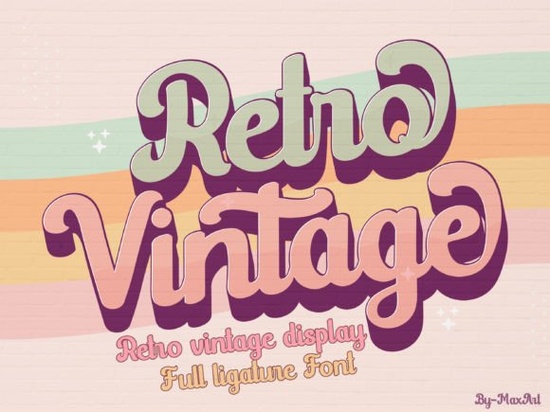
If you're looking for a handwritten font that feels warm, nostalgic, and quietly confident not overly ornate or fussy the Retro Vintage Font fits right in. It’s the kind of typeface you’d spot on a 1950s diner menu, a hand-lettered wedding invitation, or a small-batch jam label. Designed with subtle irregularities and gentle contrast, it avoids looking too digital or uniform making it especially useful for creatives who want authenticity without sacrificing readability.
When does this font work best?
This isn’t a one-size-fits-all script. It shines where personality matters more than precision: think boutique branding, handmade greeting cards, social media graphics for local cafes or florists, or even custom wall art for nurseries and vintage-themed events. Because it’s clean enough to scale down (say, for a tiny tag on a gift box) but expressive enough to hold its own at larger sizes, it bridges practicality and charm.
It’s also a thoughtful choice if you’re building a cohesive brand identity. Pair it with a simple sans-serif for body text like Montserrat or Lato and you’ve got a balanced, approachable look that feels intentional, not accidental. That balance is why so many print-on-demand sellers use it for mugs, tote bags, and framed quotes: it reads well on fabric and ceramic, and doesn’t blur or pixelate when printed at common sizes.
How does it compare to other popular display fonts?
Unlike highly decorative scripts that demand attention (and sometimes sacrifice legibility), the Retro Vintage Font keeps things grounded. It’s less formal than a classic monogram font so it works well for casual announcements or playful business names but still carries more warmth than a bold, chunky retro option like the chunky retro font, which leans into mid-century signage energy.
If you've used the Reminder Font before, you’ll notice Retro Vintage has softer edges and a more relaxed rhythm less “call-to-action,” more “come on in.” And while it shares some DNA with the Simple Grinches Font in terms of friendly imperfection, it’s less cartoonish and better suited for adult audiences or refined settings like weddings and artisan packaging.
Where do real designers actually use it?
- Wedding stationery: Save-the-dates, menus, and place cards especially when paired with muted tones or textured paper.
- Small business branding: Local bakeries, bookshops, or craft studios wanting a handcrafted feel without hiring a lettering artist.
- Social media visuals: Instagram story headers, Pinterest quote pins, or Facebook event banners where tone and recognition matter more than fine detail.
- Print-on-demand products: Tote bags, enamel pins, and greeting cards where simplicity and character help items stand out in crowded marketplaces.
One thing to keep in mind: because it’s a script, avoid setting full paragraphs in it. Use it for headlines, short phrases, or single words like “Est. 1987” or “Hand-Poured” where its personality adds meaning, not noise.
What about licensing and compatibility?
The font includes standard OpenType features (ligatures, alternate characters, and stylistic sets), and works smoothly in Adobe Creative Cloud apps, Canva (via upload), Cricut Design Space, and Silhouette Studio. The license covers both personal and commercial use including selling physical products and digital templates so whether you’re making wedding invites for a friend or launching an Etsy shop, you’re covered.
You’ll also find clear instructions for installing on Mac and Windows, plus tips for getting the most out of the alternates like swapping out the default “g” or “y” for versions with extra flair. It’s not flashy tech, but thoughtful touches like these make a real difference when you’re polishing a final design.
For inspiration, check out how other creators use similar styles like the Retro Vintage font, or explore pairing ideas with the monogram font for initials-based logos or embroidered details.
Remember: great typography isn’t about picking the trendiest font it’s about choosing one that supports your message, respects your audience, and stays legible across formats. The Retro Vintage Font does that quietly, consistently, and without asking for attention it doesn’t need.
Before you download: Try typing out your most common use case like a shop name or product tagline in the font preview. Does it look natural at the size you’ll actually use it? Does it pair well with your current secondary font? If yes, it’s probably a solid fit.
Get Started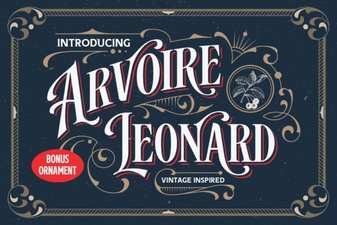 The Arvoire Leonard Font for Elegant Typography Projects
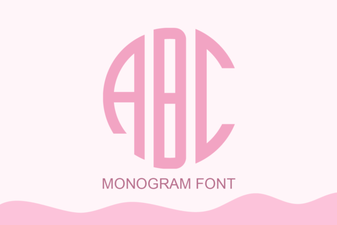 Monogram Font Ideas for Custom Projects
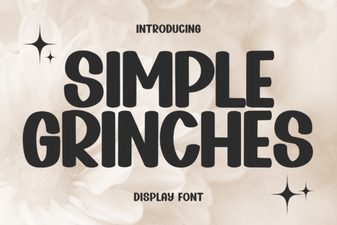 Fun Grinch-Inspired Fonts for Holiday Designs
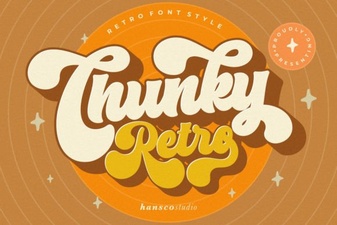 Vintage Chunky Fonts for Bold Design Projects
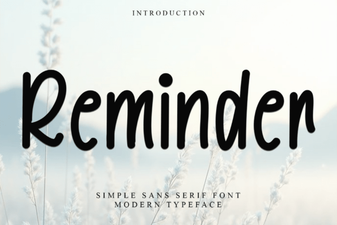 Reminder Fonts: Unlocking Creativity in Your Projects
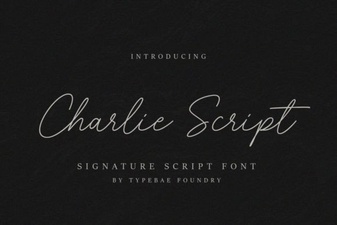 Charlie Script Font for Creative Design Projects