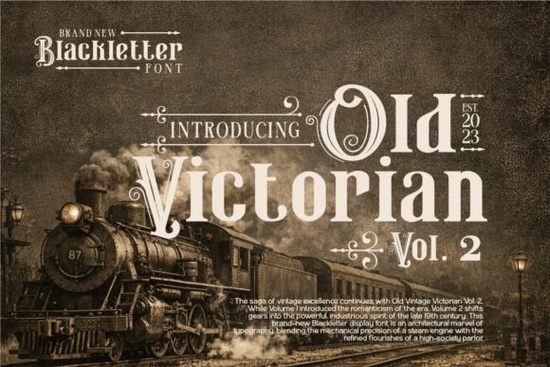
If you're looking for a Victorian-style font that feels authentic not overly ornate, not cartoonish Old Victorian Vol. 2 Font is a thoughtful choice. It’s designed with the subtle balance Victorian typography needs: strong serifs, gentle contrast between thick and thin strokes, and just enough decorative detail to feel period-appropriate without overwhelming your layout. Whether you’re designing wedding stationery, boutique packaging, or vintage-themed social media graphics, this font adds quiet authority and warmth not flashiness.
What makes Old Victorian Vol. 2 different from other “vintage” fonts?
Many fonts labeled “Victorian” lean too heavily into Blackletter or overly distressed textures great for posters, less so for elegant invitations or book covers. Old Victorian Vol. 2 sits comfortably between formal and approachable. It’s not a script, not a display-heavy novelty font, and not a condensed sans-serif dressed up with swirls. Instead, it’s a well-proportioned serif with graceful terminals, consistent spacing, and OpenType features like ligatures and alternate characters that help avoid repetition in longer text blocks.
That means it works well beyond headlines. You can use it for body copy in a small-run zine, pull quotes in a heritage brand brochure, or even engraved-style labels for artisanal goods without needing to pair it with three other fonts just to make it legible.
Who uses this font and where does it fit best?
Designers building cohesive brand identities for local bakeries, apothecaries, or antique shops often reach for Old Victorian Vol. 2 when they want authenticity over trendiness. Print-on-demand sellers use it for mugs, tea towels, and greeting cards aimed at history lovers or fans of classic literature. Crafters appreciate how cleanly it cuts on Cricut and Silhouette machines especially since the outlines are clean and stroke weight is consistent across all glyphs.
It pairs naturally with neutral sans-serifs (like Montserrat or Lato) for contrast, or with muted earth tones and parchment textures no extra styling needed. And because it includes both uppercase and lowercase letters, numerals, punctuation, and multilingual support (including accented characters for French, Spanish, and German), it’s practical for real-world use not just mood boards.
How does it compare to similar fonts on Creative Fabrica?
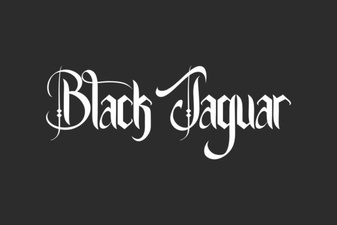
If you’ve already tried Amstrong Font, you’ll notice Old Victorian Vol. 2 has softer angles and more organic rhythm less rigid, more handwritten-in-a-good-way. Compared to Black Jaguar Font, which leans into bold, high-contrast Blackletter energy, Old Victorian Vol. 2 feels calmer and more versatile for mixed-media projects.
None of these are “better” they serve different purposes. Amstrong suits heraldic logos and formal certificates. Black Jaguar shines on band merch or tattoo flash. But if your goal is quiet elegance think library stamps, botanical print captions, or heirloom recipe cards Old Victorian Vol. 2 fills that niche reliably.
Real-world tips before you download
Before using it in production, test a few things:
- Check line height Victorian serifs often need slightly more leading than modern fonts to avoid visual crowding.
- Use the included alternates sparingly: one or two per paragraph adds charm without distraction.
- Avoid scaling it too small (below 14pt) for body text its details soften at tiny sizes.
- If printing on textured paper, do a test run first: some letterforms (like the lowercase ‘g’ or ‘y’) have delicate loops that may fill in depending on ink absorption.
For historical reference, you can see how similar type was used in late-19th-century catalogs and trade cards via the Old Victorian Vol. 2 font collection on Creative Fabrica many listings include usage examples and mockups you can study for context.
One last note: while it’s categorized under blackletter fonts on Creative Fabrica, Old Victorian Vol. 2 isn’t technically Blackletter. It’s a transitional serif inspired by late-Victorian wood-type and hot-metal foundry faces so don’t expect Gothic angularity. Think more “1890s bookplate” than “medieval manuscript.” That distinction matters if you’re sourcing fonts for historically accurate projects.
Next step: Try pairing it with a simple sans-serif and set a short quote like “Est. 1897” or “Hand-poured • Small batch” in design software or directly in Canva. See how the tone shifts. If it feels grounded, legible, and quietly confident, you’ve got the right match.
Get Started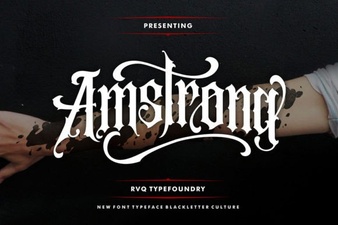 Amstrong Font: Creative Typography Projects
 A Bold Black Jaguar Font for Design Projects
 Charlie Script Font for Creative Design Projects
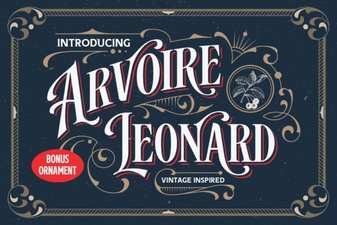 The Arvoire Leonard Font for Elegant Typography Projects
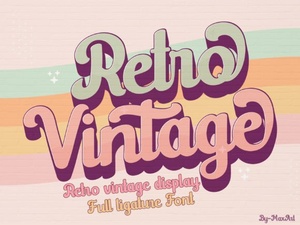 Crafting with Retro Vintage Fonts for Modern Projects
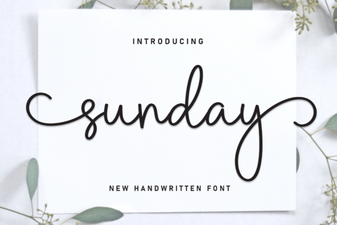 Sunday Font Guide: Design Tips & Projects